
The best cenotes in Tulum sit beneath the limestone skin of the Yucatán Peninsula, shaped over thousands of years by water, time, and collapse. These freshwater caves and open pools are not only places to swim, but also provide a unique experience. They explain why cenotes in Mexico exist almost nowhere else at this scale and why Tulum remains one of the world’s most visited cenote regions. This guide focuses on the cenotes that matter most, how to visit them, what they offer, and why each one earns its place.
Best cenotes in Tulum: what makes them different
The best cenotes in Tulum owe their existence to porous limestone and underground rivers that run beneath the Yucatán Peninsula. When cave ceilings collapsed, circular sinkholes filled with freshwater formed.
Some sources estimate more than 6,000 cenotes across the peninsula, with the highest concentration near Tulum and Playa del Carmen. That density explains why cenotes of Mexico are not a side attraction here but the main event.
Unlike cenotes in the US or Costa Rica, Tulum cenotes combine open pools, underground caverns, and long cave systems in one compact region. Some allow snorkeling cenote experiences in bright daylight. Others remain dark underwater chambers where cenote diving in Tulum draws certified divers from across the world.
Top 5 Best Cenotes in Tulum Worth Visiting
The following are the best cenotes in Tulum that are worth visiting.
1. Gran Cenote Tulum: The classic that earns its reputation
Gran Cenote is just outside of town and is still one of the most popular cenotes near Tulum, Mexico. It is popular because it strikes a balance. Half-open water reflects light from the jungle, and cave sections show stalactites and stalagmites that look untouched. People who are new to snorkeling and people who are good at it can both do it here.
The cost of getting in changes with the seasons, but it’s usually in the middle range compared to other cenotes in the area. In most areas, life vests are still required. This rule is in place to protect both visitors and the rock formations below. Gran Cenote is often the favorite cenote for first-time visitors to Tulum because it has a lot of different things to do without being scary. It is family friendly place.
| Detail | Information |
| Location | 5 km (3 miles) west of Tulum town, on the road toward Cobá |
| Known for | Clear freshwater, combined open-air and cave swimming (1500 square feet swimming surface area with crystal clear water) |
| Popular for | First-time cenote visitors, snorkeling, and photography |
| Main activities | Swimming, snorkeling, and light cavern exploration |
| Peak timing | 8:00 –10:30 a.m. before tour buses arrive |
| Average cost | Approx. 300-500 MXN per person (around $30 USD) |
| Facilities | Showers, restrooms, parking, equipment rental |
| Practical note | Sunscreen must be biodegradable only |
2. Dos Ojos: underwater clarity and long cave systems
Dos Ojos Cenote translates to “two eyes,” a reference to the twin sinkholes connected by one of the longest underwater cave systems in the world. The Dos Ojos Cenote is an integral part of the Sistema Sac Actun, one of the world’s largest underwater cave systems, covering more than 350 kilometers (217 miles). It has exceptionally clear water, which is why it is popular among scuba diving professionals and therefore, cenote diving in Tulum appears in so many certification itineraries.
Snorkeling cenotes experiences remain possible in the open sections, while cave divers explore tunnels that stretch for kilometers. Entrance fees tend to be higher, reflecting conservation costs and controlled access. For travelers interested in underwater cenote Tulum environments rather than casual swimming, Dos Ojos rarely disappoints.
| Detail | Information |
| Location | About 22 km north of Tulum, off Highway 307 |
| Known for | One of the longest underwater cave systems on Earth |
| Popular for | Barbie Line and Bat Cave dives, snorkeling in cavern zones |
| Main activities | Snorkeling, guided cave diving with stunning rock formations and light beams. |
| Peak timing | Early morning for best water clarity |
| Average cost | Approx. 350-450 MXN (diving tours extra) |
| Facilities | Restrooms, lockers, gear rental |
| Practical note | Diving is allowed only with certified guides |
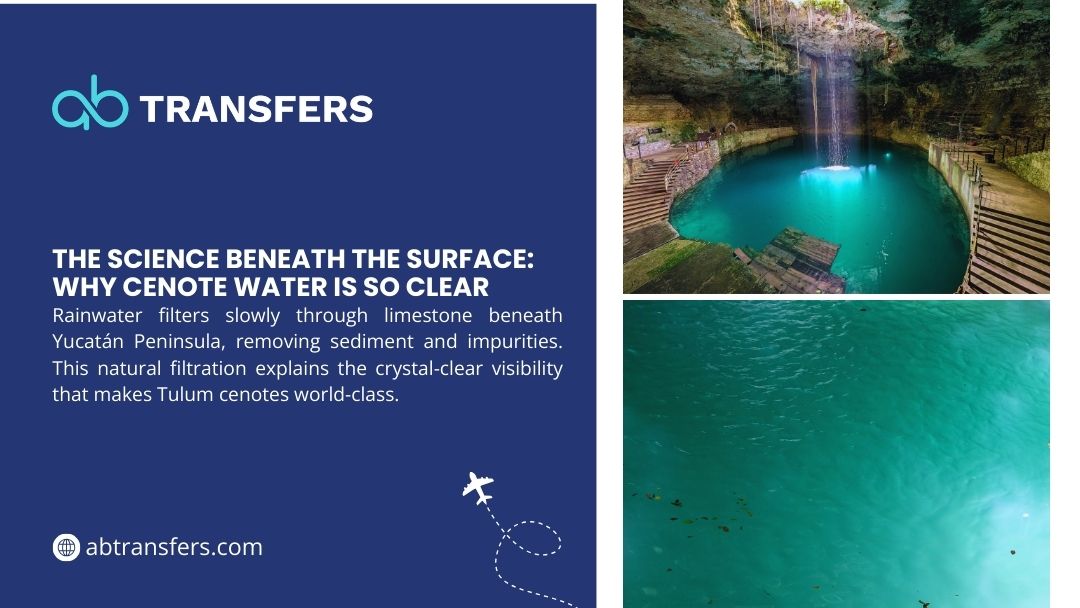
3. Cenote Calavera Tulum/Skull Cenote: Compact, raw, unforgettable
Cenote Calavera offers a different rhythm. The cenote has 3 circular openings, and it is also known as Temple of Doom or Cenote Esqueleto (Skeleton Cave) because, from above, the two smaller holes and the main huge hole resemble the eyes and mouth of a skull. Visitors can jump into the hole via a wooden ladder. Inside, the pool remains deep, still, and shadowed.
This cenote suits confident swimmers and travelers seeking a private cenote Tulum atmosphere without crowds. It lacks the sprawl of Gran Cenote or Dos Ojos but compensates with intimacy. For many, this becomes the cenote they remember most after they visited cenote-heavy itineraries.
| Detail | Information |
| Location | 3 km west of Tulum, near Gran Cenote |
| Known for | Skull-shaped openings and jump access |
| Popular for | Adventure swimmers and photographers |
| Main activities | Jumping from a rope swing, swimming, cave diving, and free diving |
| Peak timing | Late morning before shadows shift |
| Average cost | Approx. 250–350 MXN |
| Facilities | Basic restrooms, ladder access |
| Practical note | Not ideal for children or weak swimmers |
4. Casa Cenote (Cenote Manatí): where freshwater meets mangroves
Casa Cenote, also known as Cenote Manatí, is famous because of the resident crocodile, Panchito. It runs horizontally, not vertically. It is surrounded by mangroves, and the water is occupied by fish. It is located near the Caribbean Sea, and marine life enters through underground passageways that are linked to the ocean.
This cenote snorkeling experience in Mexico is ideal for families and tourists who prefer hang about than exploring caverns. Its shallow parts lessen fear, while deeper channels benefit experienced swimmers. Due to its seaside position, Casa Cenote frequently goes well with beach trips.
| Detail | Information |
| Location | Near Tulum Beach Road, close to the coast |
| Known for | Mangrove ecosystem and mixed fresh–salt water |
| Popular for | Snorkeling, paddleboarding |
| Main activities | Snorkeling, swimming, kayaking |
| Peak timing | Midday, when light penetrates water |
| Average cost | Approx. 150–200 MXN |
| Facilities | Equipment rental, restrooms, parking |
| Practical note | Water conditions shift slightly with tides |
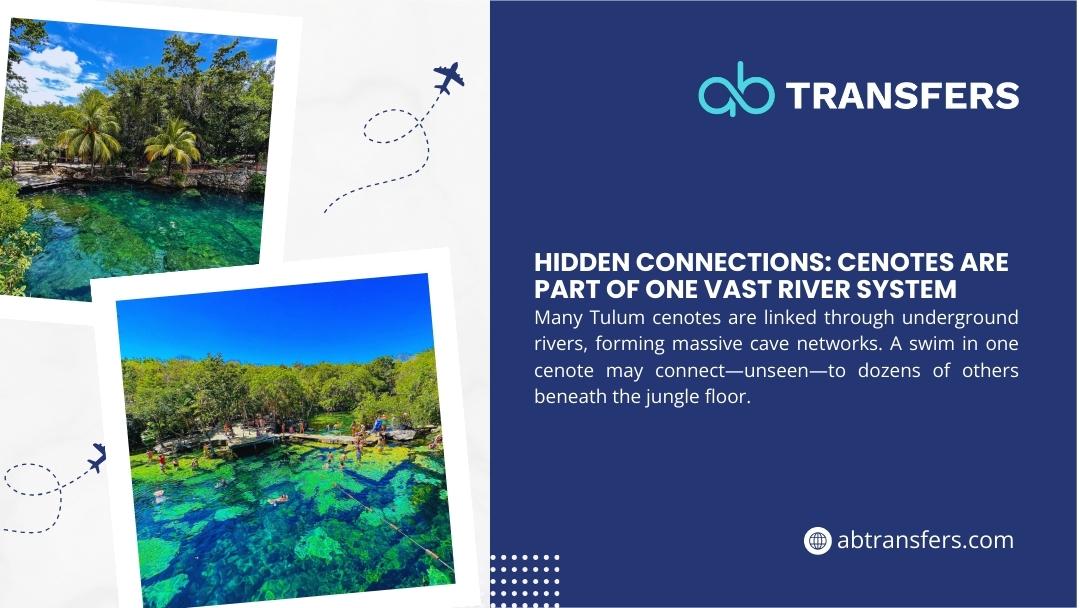
5. Santa Cruz and lesser-known cenotes near Tulum
Cenote Santa Cruz appeals to travelers who value quiet water and space. Santa Cruz cenote Tulum features shaded swimming zones, fewer tour buses, and calmer energy than larger cenote parks. Its location remains accessible by renting a car or arranging transport.
Beyond Santa Cruz, cenotes de Tulum include smaller pools, cenote clubs, and cenote parks that combine multiple sites. Some operate as cenote pool complexes, others as semi-wild caves. Each serves a different pace, which explains why the best cenotes near Tulum depend heavily on personal travel style.
| Detail | Information |
| Location | South of Tulum town, inland, on Highway 109, near Akumal |
| Known for | Rock formations, clear pristine water, quiet atmosphere, family-friendly, and shaded swimming |
| Popular for | Relaxed swimming, photography, snorkeling, floating, and |
| Main activities | Swimming, floating, photography |
| Peak timing | Early afternoon |
| Average cost | Approx. 150–300 MXN |
| Facilities | Showers, shaded seating, picnic tables |
| Practical note | Fewer vendors, bring cash, no sunscreen allowed (shower is mandatory before entering), and no bug spray |
Comparing the best cenotes in Tulum by experience
| Cenote | Primary Experience | Environment | Typical Entrance Fees |
| Gran Cenote | Snorkeling, swimming | Open + cave | Higher |
| Dos Ojos | Cave diving, snorkeling | Underground cenote | Higher |
| Cenote Calavera | Jumping, deep swim | Vertical cave | Lower |
| Casa Cenote | Snorkeling | Mangroves | Lower |
| Santa Cruz Cenote | Relaxed swimming | Open pool | Lower |
Practical planning: timing, safety, and access
Most cenotes near Tulum, Mexico, open between 8:00 and 9:00 a.m. Arriving early reduces crowd pressure and improves water clarity. Entrance fees fund maintenance and conservation, which matters since sunscreen residue and touching rock formations cause long-term damage. Mexico’s environmental authorities continue to tighten regulations, including mandatory showers and life vests.
Renting a car offers flexibility, but guided cenote tours in Tulum remove navigation stress and simplify logistics. Many travelers combine cenotes with ruins or caves in Tulum, Mexico, in a single day.
Travelers seeking reliability often rely on local providers that specialize in private routes and schedules. Services such as tailored cenote transfers through local operators can help you reach remote sites without delays, while curated cenote tours allow access to sites less known to first-time visitors.
Background details about local expertise can be found through an experienced team’s story, and travelers often explore immersive options via authentic travel experiences offered by specialists. For direct coordination, some visitors choose to contact local support via WhatsApp for real-time planning.
Why cenotes matter beyond swimming
What are cenotes in Mexico beyond attractions? Archaeological studies from Mexico’s National Institute of Anthropology and History confirm cenotes served as sacred water sources for the Maya. Offerings and skeletal remains discovered in caves near Tulum demonstrate their ritual importance. That context explains why cenotes remain protected natural systems rather than simple swimming holes.
Unlike cenotes in Cancun, Mexico, which often integrate into resort developments, Tulum cenotes retain a more natural form. That difference influences water clarity, wildlife presence, and overall experience.
How cenotes shape a Tulum itinerary
Cenotes influence how travelers move through Tulum more than beaches or ruins, which is why many Tulum itinerary 3 days travel plans organize activities around visiting different cenotes, beaches, and archaeological sites. Most visitors structure their days around heat, crowds, and distance. Travelers who rely on taxis tend to visit fewer cenotes per day, while those with private transport or guided routes often combine two or three without rushing. Many visitors alternate cenote days with beach or archaeological days to avoid fatigue and balance physical activity.
Sample cenote-focused day planning
| Time of Day | Recommended Cenote Type | Reason |
| Morning | Cavern or cave cenote | Clearer water, fewer visitors |
| Midday | Open or coastal cenote | Better light and warmth |
| Afternoon | Shaded cenote | Cooler conditions, quieter atmosphere |
| Evening | Return to town or beach | Cenotes close before sunset |
Cenotes are not side trips in Tulum. They are the framework around which the rest of the visit often forms, shaping transportation, timing, and even where travelers choose to stay.
What stays with you long after
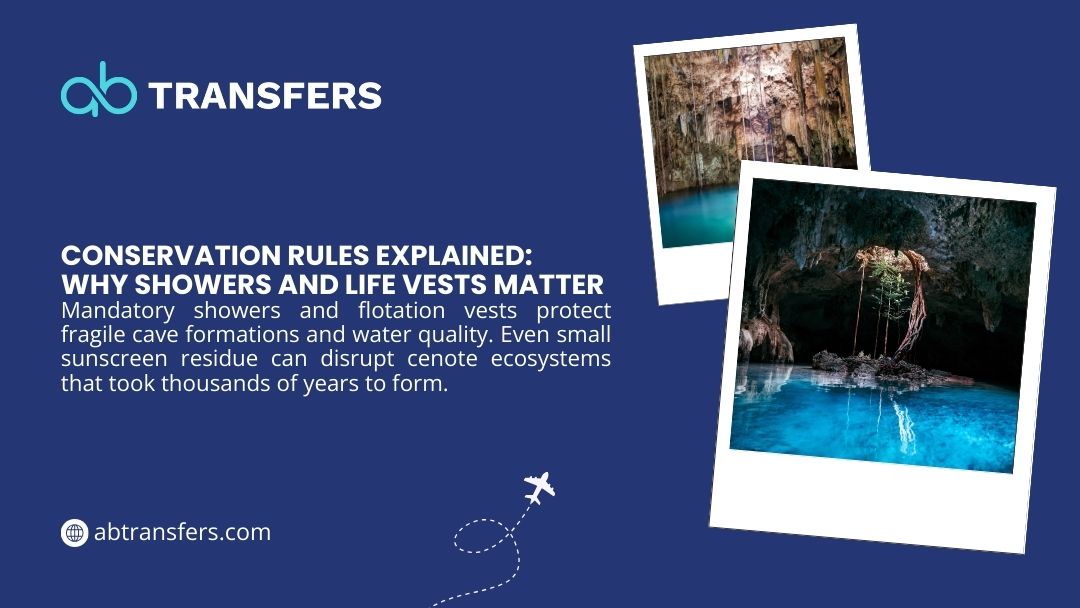
The best cenotes in Tulum reveal a side of Mexico shaped by geology rather than resorts. Each visit connects swimming, science, and history beneath the jungle floor. Planning routes, timing, and access matters more here than anywhere else. Travelers who want smooth logistics often rely on professional transportation and locally informed planning rather than improvisation.
To arrange reliable transfers or custom cenote routes that fit your schedule, explore trusted local services through AB Transfers’ transportation solutions, learn more about their approach to travel planning, or reach out directly for personalized assistance when planning your Tulum cenote experience.
