
Tulum sits at a crossing point of two entirely different underwater worlds: the Mesoamerican Barrier Reef running along its Caribbean coastline, and one of the largest freshwater cave networks on the planet, hiding beneath its jungle floor. That combination is rare. Most popular beach destinations offer one kind of snorkeling; Tulum offers three.
This guide covers every snorkeling spot worth your time, from Gran Cenote’s turquoise caverns to the turtle-thick shallows of Akumal Bay, with real entry prices, crowd patterns, practical logistics, and the kind of detail that only comes from boots-on-ground research.
Whether you’ve got one afternoon or a full week, here’s how to make the most of snorkeling in Tulum without wasting time or money on the wrong experience.
Snorkeling in Tulum: what it’s really like
At first glance, snorkeling in Tulum sounds straightforward. Here’s what actually happens on the ground. You generally choose between three formats. The first is reef snorkeling along the Caribbean coast, where you may spot tropical fish, coral patches, and, on a lucky day, rays or sea turtles.
The second is snorkeling in cenotes, Tulum travelers love for clear freshwater, cave openings, and surreal rock formations. The third is marine wildlife snorkeling near Tulum, often built around sea turtle sightings in nearby areas rather than directly off the main beach.
That variety is one reason snorkeling in Tulum, Mexico, feels richer than many beach destinations. Tulum sits within the wider Mexican Caribbean ecosystem linked to the Mesoamerican Reef, which WWF describes as the largest reef system in the Americas, stretching more than 1,000 kilometers and supporting more than 500 fish species, more than 60 hard coral species, and five marine turtle species.
Reef snorkeling vs cenote snorkeling vs turtle snorkeling
Reef snorkeling gives you saltwater, open sea, and a classic Caribbean feel. This is the version most people imagine when they search for the best snorkeling in Tulum. It works well for travelers who want coral reefs, brighter fish life, and a half-day outing with a guide. Conditions, though, depend on wind, current, and visibility.
Cenote snorkeling feels completely different. Freshwater sites near Tulum often have remarkable clarity, lower wave action, and dramatic limestone formations. Some also include partial cave sections, submerged roots, and unusual light effects. If you prefer calm water or want something visually distinct from the beach, this side of Tulum, Mexico, snorkeling often wins.
Turtle-focused trips sit somewhere in between. They appeal to travelers who want wildlife first, not just scenery. The thing is, people often assume Tulum reef snorkeling is automatically best for turtles. In reality, nearby spots can offer a more reliable chance, depending on regulations, weather, and seasonal conditions.
| Experience type | Best for | What you may see | Water style | Typical feel |
| Reef snorkeling | First-time Caribbean visitors, fish lovers, couples | Tropical fish, coral reefs, rays, and occasional turtles | Saltwater, open sea | Bright, active, scenic |
| Cenote snorkeling | Families, beginners, photographers, heat-sensitive travelers | Limestone formations, rock formations, freshwater life, and cave features | Freshwater, calm | Quiet, clear, otherworldly |
| Turtle-focused trips | Wildlife seekers, repeat visitors, private day trippers | Sea turtles, fish, and seagrass habitat | Coastal marine water | Purpose-led, guided |
Is snorkeling in Tulum worth it?
Yes, but only if you match the outing to the kind of day you actually want. That’s where many travel tourists miss the mark. They list places, toss in a few stock phrases, and call it done. But snorkeling in Tulum is worth it for different reasons depending on the site. If you want classic reef scenery, boat-based or guided coastal trips make sense. If you want clarity and less stress, a cenote can be a better call. If you care most about wildlife, you should not pick a beach just because it looks pretty on Instagram.
The 8 Best Snorkeling Spots Near Tulum
| Spot | Type | Entry Fee (approx.) | Distance from Tulum | Crowd Level |
| Gran Cenote | Open/semi-cave cenote | For adults, 500 MXN (~$28 USD), Children under 12, 250 MXN ($15) | 5 km (about 3 miles) from Tulum town toward Cobá | High especially between 10:00 AM and 2:00 PM. |
| Akumal Bay (Place of Turtles) | Ocean / reef + seagrass | ~140 MXN beach fee | 27- 30 km north | Very high |
| Yal Ku Lagoon | Brackish lagoon | 355 MXN ($18-$20USD) for adults and 5-11 kids 266 MXN ($15 USD) | 27 km north (depending on your starting point) | Moderate |
| Dos Ojos Cenote (2 Eyes Cenote) | Cave cenote | 400–800 MXN (~$23-$25 per person), depending on the package, and ~350-450 MXN is the entrance fee for swimming/snorkeling | 14-22 km north | High |
| Tulum Reef (boat) | Caribbean reef | 350–1,200 MXN tour | Off Tulum beach | Moderate |
| Sian Ka’an Reserve | River/reef biosphere | $225 MXN | 23 km south | Low |
| Casa Cenote | Mangrove/halocline | Free–small fee | 11 km north | Low–Moderate |
| Cenote Cristal & Escondido | Open cenotes | ~200-300 MXN each | 4 km from town | Low |
All prices are approximate and subject to change. Cash is required at most cenotes; there are no ATMs on-site.
1. Gran Cenote: The One That Earns Its Reputation
| Key Detail | Information |
| Type | Open / semi-cave cenote |
| Distance from Tulum | ~5 km (Cobá road) |
| Entry Fee (2026 est.) | 500 MXN adults |
| Water Temperature | ~24°C year-round |
| Visibility | 30+ meters typical |
| Crowd Level | High after 10:00 AM |
| Best Time to Visit | Early morning (8:00 AM opening) |
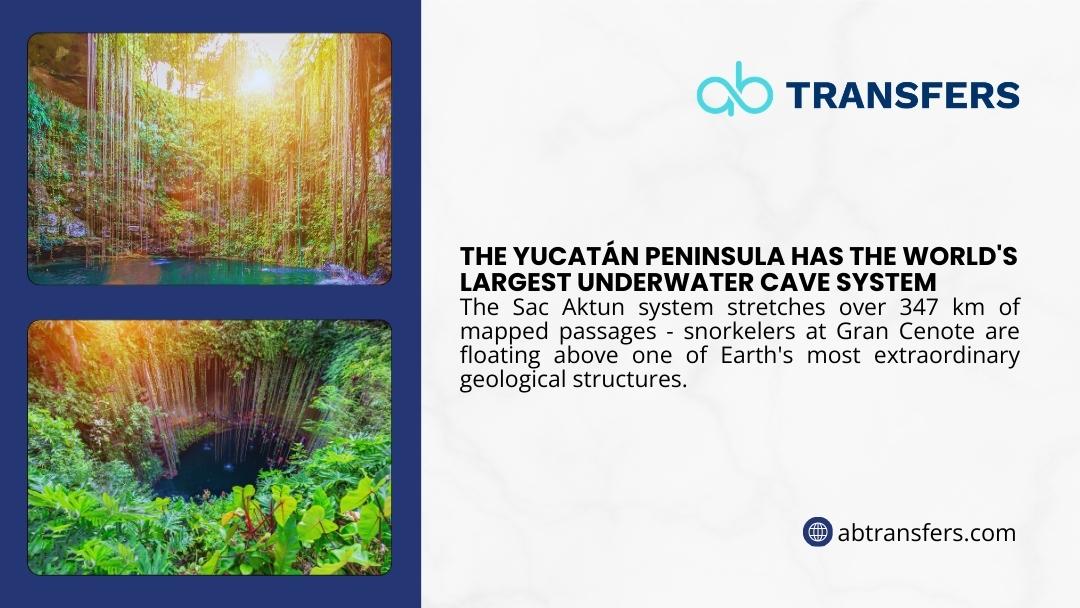
Five kilometers from Tulum’s town center on the road toward Cobá, Gran Cenote is widely considered one of the most iconic freshwater snorkeling locations in the Riviera Maya. Two large sinkholes connect through an underwater cavern system, surrounded by wooden walkways and dense jungle vegetation. In Mayan cosmology, cenotes like this were known as dzonot (“sacred well”) and were revered as portals to Xibalba, the Mayan underworld.
Water conditions remain remarkably stable throughout the year. Visibility often exceeds 30 meters in the dry season, allowing snorkelers to clearly see freshwater turtles, small fish, and limestone formations below the surface. Geologically, these formations date back to the Pleistocene era; you are swimming among stalactites that took thousands of years to drip-feed from the ceiling. At the cavern entrance, light beams filter through the openings above, creating dramatic underwater scenery.
Visitors must shower before entering the water, and snorkel gear rentals are available onsite. Because the cenote fills quickly during high season, arriving early in the morning significantly improves the experience. Those who swim through the cavern into the second sinkhole usually find fewer visitors and better photo opportunities.
Recent archaeological explorations in the surrounding Sac Aktun system have uncovered human remains and prehistoric fossils dating back over 9,000 years, highlighting the site’s deep historical significance. Gran Cenote forms part of the enormous Sac Aktun cave network, one of the longest underwater cave systems in the world. Snorkelers only see a small portion of this underground labyrinth; the deeper sections extend for hundreds of kilometers and are explored mainly by trained cave divers.
2. Akumal Bay: The Sea Turtle Capital of the Riviera Maya
| Key Detail | Information |
| Type | Ocean bay with reef and seagrass |
| Distance from Tulum | ~30 km north |
| Entry Fee | ~140 MXN beach access |
| Snorkeling Duration | Max 55 minutes in turtle zones |
| Group Limit | 6 people per guide |
| Wildlife Highlights | Green sea turtles, rays |
| Crowd Level | Very high |
Akumal Bay has long been one of the most reliable places along the Riviera Maya to encounter sea turtles in the wild. The name Akumal, meaning Place of the Turtle in the Mayan language, reflects the bay’s ecological importance. Historically, Akumal holds a unique place in Mexican history as the site of the 1511 shipwreck of Gonzalo Guerrero, the Spanish sailor who eventually integrated into Mayan culture and is considered the Father of the Mestizaje (the blending of Spanish and Indigenous blood).
Conditions are particularly beginner-friendly. The bay’s natural reef barrier protects the water from strong waves, allowing snorkelers to float comfortably above the seagrass while turtles move slowly through their feeding grounds. The modern community was officially founded in 1958 by Pablo Bush Romero, a pioneer of underwater archaeology in Mexico who used the bay as a base for salvaging 18th-century shipwrecks like the El Matancero.
Since 2016, the Mexican government has enforced stricter regulations to protect the turtle population. Snorkeling access to designated turtle zones requires a certified guide, and group sizes are limited. Environmental officials monitor the area to ensure visitors maintain safe distances from the animals.
Many travelers combine this marine encounter with other nearby experiences. One example is the Private Tour to Akumal and Monkey Sanctuary, which pairs the turtle snorkeling site with a wildlife sanctuary visit and private transportation from Tulum.
3. Yal Ku Lagoon: The Calm Water Alternative
| Key Detail | Information |
| Type | freshwater lagoon |
| Distance from Tulum | ~27 km north (4.9 miles) |
| Entry Fee | ~300 MXN (foreigners), 200 MXN -250 MXN (Locals) |
| Water Conditions | Extremely calm |
| Wildlife Highlights | Parrotfish, angelfish, barracuda |
| Best For | Families and beginners |
| Crowd Level | Moderate |
Yal Ku Lagoon sits in Akumal just north of the main bay and offers one of the most accessible snorkeling environments in the region. The lagoon functions as a natural estuary where freshwater from underground cenotes meets the Caribbean Sea. This combination creates stable water conditions and attracts a wide variety of fish species.
Unlike open-ocean snorkeling, the lagoon rarely experiences waves or strong currents. The protected environment makes it ideal for families and for snorkelers who prefer relaxed swimming conditions.
Facilities at the lagoon include shaded rest areas, equipment rental, and entry platforms. Many visitors choose to combine the lagoon with nearby attractions such as the Tulum ruins and Gran Cenote as part of a guided excursion.
4. Dos Ojos Cenote: The Underground Cave Experience
| Key Detail | Information |
| Type | Cave cenote |
| Distance from Tulum | ~22 km north |
| Entry Fee | ~400 MXN (around $24) basic entry for adults, 200 MXN (around $12) per child, |
| Guided Snorkel Tour | 700–800 MXN (around $48) per adult, |
| Water Temperature | 24–25°C |
| Cave System | Sistema Sac Aktun |
| Crowd Level | High mid-day |
Dos Ojos spanish word meaning Two Eyes, refers to the twin cenote circular openings visible from above the jungle canopy. The cenote belongs to the extensive Sistema Sac Aktun cave system, which spans more than 347 kilometers and connects hundreds of cenotes across the region.
For snorkelers, Dos Ojos provides a rare opportunity to explore a cavern environment without scuba equipment. Sunlight enters through the cenote openings, illuminating limestone stalactites and underwater rock formations that formed thousands of years ago.
The cenote park in Mexico (near Tulum or Playa del Carmen) entrance sits along Highway 307, but the swimming areas lie several kilometers inside the reserve. Early arrival offers the best conditions before tour groups begin arriving later in the morning. The guided snorkel tour allows access to deeper cavern sections, including the Bat Cave, where stalactites surround a large air chamber inhabited by bats.
5. Tulum Reef Snorkeling: Coral Gardens Beneath Ancient Ruins
| Key Detail | Information |
| Type | Caribbean coral reef |
| Distance | Offshore from Playa Paraíso |
| Entry Fee | ≅450 MXN per person |
| Tour Cost | 750–1,200 MXN |
| Tour Duration | 1–2 hours |
| Marine Park Fee | ~415-450 MXN |
| Marine Life | Parrotfish, rays, turtles |
| Crowd Level | Moderate |
The reef off Tulum’s coastline sits a short boat ride from the beach directly below the famous cliff-top archaeological site. Snorkeling tours depart from the shoreline like Playa Pescadores and Playa Santa Fe within Parque Jaguar (Jaguar National Park) and typically visit one or two reef sections.
Underwater, coral formations support schools of tropical fish, including parrotfish, doctorfish (a type of surgeonfish), and grunts. Sea turtles (green and loggerhead) and spotted eagle rays appear occasionally. The experience becomes especially memorable because of the surrounding scenery: ancient Mayan ruins rising above the cliffs while snorkelers drift over coral gardens below.
Although the reef ecosystem remains healthy in many sections, wildlife sightings vary with conditions. For travelers primarily interested in turtles, Akumal remains the more consistent option (like green, Hawksbill, and Loggerhead species).
The snorkeling experience can easily be combined with cultural exploration through the Private Tour to Tulum Mayan Temples and Ruins, which pairs archaeological history with beach and reef access.
6. Sian Ka’an Biosphere Reserve: Remote Reef Exploration
| Key Detail | Information |
| Type | Biosphere reserve reef |
| Distance from Tulum | ~20 km south |
| Protected Status | UNESCO World Heritage Site |
| Area Size | 5,280 km² |
| Wildlife | Reef fish, birds, and marine life (including dolphins, manatees, sea turtles, and crocodiles) |
| Tour Access | Boat tours only |
| Crowd Level | Low |
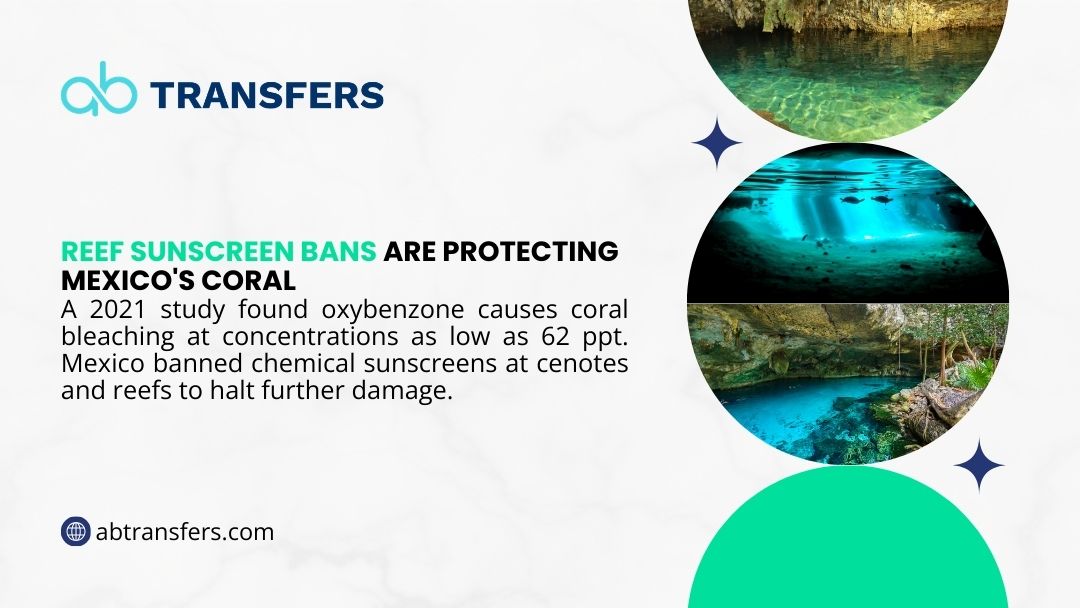
Sian Ka’an Biosphere Reserve protects one of the largest remaining undeveloped stretches of Caribbean coastline in Mexico. Designated a UNESCO World Heritage Site in 1987, the reserve contains mangrove wetlands, lagoons, and reef ecosystems spread across more than 5,000 square kilometers.
Snorkeling excursions here typically begin with boat travel through mangrove canals before reaching reef areas near the small fishing village of Punta Allen. Marine life appears less concentrated than in tourist zones, but the ecosystem remains far less disturbed.
Because infrastructure inside the reserve is limited, guided tours provide the most practical way to explore the area.
7. Casa Cenote: The Halocline Experience
| Key Detail | Information |
| Type | Mangrove cenote |
| Distance from Tulum | ~10-11 km north |
| Water Feature | Halocline effect (layering of fresh and salt water) |
| Environment | Lush Mangroves |
| Difficulty | Beginner-friendly snorkeling spot |
| Wildlife | Fish, diving birds, blue crabs, Tarpons, barracudas |
| Crowd Level | Low–moderate |
Casa Cenote (Cenote Manati) offers a very different kind of snorkeling environment compared with traditional cave cenotes. The long, narrow cenote flows through a mangrove forest and connects underground with the Caribbean Sea.
Because both freshwater and saltwater exist within the system, snorkelers can observe a halocline, a visual distortion where the two water layers meet. Swimming through this boundary creates the sensation of moving through a shimmering underwater curtain.
The cenote remains relatively shallow and open, making it suitable for beginners. Mangroves lining the water create habitat for fish and birds, including cormorants that occasionally dive underwater alongside swimmers.
8. Cenote Cristal & Cenote Escondido: The Easy Access Pair
| Key Detail | Information |
| Type | Open cenotes |
| Distance from Tulum | ~4 km |
| Entry Fee | ~150-200 MXN each |
| Access | Cobá road |
| Difficulty | Easy |
| Best For | Short visits |
| Crowd Level | Low |
These two cenotes sit across the road from one another just outside Tulum town, making them among the most accessible freshwater swimming spots in the area.
Cenote Cristal (also known as Naharon) features a wide open pool surrounded by jungle vegetation and clear water ideal for relaxed snorkeling. Across the road, Cenote Escondido is a hidden Cenote. It offers a deeper sinkhole with hanging vines and a more secluded atmosphere.
Because neither location requires guided tours or advanced logistics, they are often visited as a quick stop on the way to or from the Muyil ruins and Kann Luum Lagoon.
Top snorkeling spots
| Spot | Best known for | Best for | Notes |
| Tulum Reef | Coral and tropical fish | Reef fans, couples | Better with a guide and good sea conditions |
| Playa Ruinas | Scenery below the ruins | First-time visitors | Best paired with another stop |
| Gran Cenote | Clarity and easy access | Beginners, families | Popular, go early |
| Dos Ojos | Cave atmosphere | Curious swimmers, photographers | More dramatic setting |
| Casa Cenote | Natural habitat and mangrove feel | Nature lovers | Distinctive freshwater style |
| Yal-Kú Lagoon | Calm marine viewing | Families, easygoing snorkelers | Good alternative to rough sea days |
| Akumal Bay | Sea turtles | Wildlife-focused travelers | Nearby, not central Tulum |
| Punta Allen / Sian Ka’an | Remote marine ecosystem | Full-day explorers | Better for private or guided days |
Best Time for Snorkeling in Tulum: Month by Month Reality
In general, cooler months often bring more comfortable weather for outdoor travel across the Riviera Maya. In contrast, summer and early fall can bring stronger heat, higher humidity, and, at times, more sargassum along the coast.
If your schedule is flexible, plan snorkeling in Tulum earlier in the day, when water conditions are often calmer and crowds lighter.
| Period | Ocean Snorkeling | Cenote Snorkeling | Crowds | Sargassum |
| Dec – Mar | Excellent | Excellent | High–Very High | Low |
| April | Excellent | Excellent | High | Low–Rising |
| May – Jun | Variable | Excellent | Moderate | Moderate–High |
| July – Aug | Variable | Excellent | Moderate | High |
| Sep – Oct | Variable | Excellent | Low | High |
| November | Good–Excellent | Excellent | Moderate | Decreasing |
Dry season, November through April, is the consensus best window. Water temperatures run 26–28°C, visibility is at its peak in both ocean and cenotes, and sargassum is typically low. Cenote conditions don’t fluctuate with the seasons the way ocean conditions do; the underground water temperature stays around 24°C year-round, regardless of what’s happening above ground.
The holiday peaks, Christmas week, New Year, and Semana Santa (Easter week), drive Gran Cenote and Akumal Bay to full capacity. Booking in advance during these periods is non-negotiable.
May through October, when sargassum can be significant, shifts the best snorkeling value firmly to cenotes. Ocean tours still run, but operators often need to move further from shore to avoid thick patches, and some days the conditions simply aren’t good. Any reputable operator will tell you this upfront if you ask.
For a broader sense of when Tulum is at its best across all activities, not just snorkeling, the best time to visit Tulum guide covers climate, pricing, crowds, and event timing in detail.
Safety tips for snorkeling in Tulum
A good day on the water is not just about visibility. It is about judgment. Wear a life jacket when conditions call for it, even if you are a confident swimmer. Watch for current. Respect entry rules. Do not touch coral reefs or chase marine life. Use reef-safe habits where required, and remember that many cenotes have strict rules about sunscreen and water protection for a reason.
Guide quality matters more than people think. A solid local guide will read the water, pace the route, set expectations honestly, and help you avoid the classic tourist mistake of choosing a place because it looked pretty in one photo.
How to choose the right snorkeling trip from Tulum
Choose reef snorkeling if you want open sea, brighter marine life, and that classic Caribbean feel. Choose cenote snorkeling if you want calm water, geological drama, and a lower-stress outing. Choose a mixed day if you want contrast and do not want the entire experience to hinge on one set of conditions.
If you are still mapping out the rest of the trip, the local guides on things to do in Tulum and how to get to Tulum can help you place snorkeling in Tulum into a smoother itinerary rather than treating it as a stand-alone booking.
How to plan a snorkeling day in Tulum
A well-planned day usually begins with transport, not water. Late starts, uncertain taxis, and scattered bookings can sap the fun before you even reach the coast or cenote. If you are arriving the same day, exploring how to get to Tulum from Cancun Airport and how to get to Tulum from Tulum Airport can save time and help you avoid piecing the route together at the last minute.
After the water, lunch matters more than most people admit. Salt, sun, and a half-day in motion tend to sharpen the appetite, so it makes sense to line up one of the best Tulum restaurants before you head out.
The Right Way to Plan Your Tulum Snorkeling Trip: Snorkeling in Tulum Itineraries
Snorkeling in Tulum deserves more than an afternoon squeezed between a ruins visit and a restaurant reservation. The spots here are world-class, and each one rewards time and intention.
If you’ve got one day: split it between Gran Cenote in the morning (arrive at opening) and a Tulum reef boat tour in the early afternoon. You’ll cover both underwater worlds and be back on the beach club strip for sunset.
If you’ve got two days, add Dos Ojos on day two, ideally arriving at 8:00 AM before the group tours descend. Pair it with Cenote Nicte-Ha or Cenote Jaguar in the same park for a full cenote day.
If you’ve got three or more days, Akumal Bay deserves its own morning. Yal Ku Lagoon is an easy add-on from the same area. And at least one day pointed toward Sian Ka’an gives you a protected reserve experience that’s genuinely unlike anything on the hotel strip.
For families with young children, Gran Cenote and Yal Ku are the most manageable. For experienced snorkelers looking for the most dramatic experience, Dos Ojos is the answer. For pure turtle encounters, nothing in Tulum beats Akumal Bay.
Where does this leave your Tulum water day?
The best version of snorkeling in Tulum is not always the one with the loudest reviews or the flashiest photos. It is the one that suits your pace, your confidence in the water, and the kind of memory you actually want to take home. Some travelers want coral and sea air. Others want cenote stillness, rock formations, and crystal-clear water. Quite a few want a private day that links the coast, local knowledge, and a route that does not feel mass-produced.
That is exactly where AB Transfers stands apart. The company’s style fits travelers who want flexibility, local insight, and a private experience rather than a crowded timetable. If you want to plan snorkeling in Tulum with transport, timing, and local stops handled in one smooth route, this can help you turn a good excursion into a far better day.
