
People often arrive in Tulum thinking they know what to expect: a beach. Warm water. Maybe a few ruins. What catches many first-time visitors off guard is how layered the place feels once you settle in.
Tulum looks relaxed on the surface, but it quietly asks you to slow down. Ancient stone walls sit above bright blue water. Jungle roads lead to freshwater cenotes that locals still treat with respect. Days don’t revolve around packed schedules, and trying to force one usually backfires.
Tulum is technically a beach town in Quintana Roo, but it doesn’t behave like a typical resort destination. There’s no single center where everything happens. Instead, experiences are spread out, and how much you enjoy them depends on when you go, where you stay, and how much you try to squeeze into a day.
This guide covers the things to do in Tulum that actually shape the trip. Not just highlights, but choices. The kind that affects how rushed or relaxed your days feel, and whether Tulum leaves a good impression once you head home.
Things to Do in Tulum for First-Time Visitors
Before diving into activities, it helps to understand where Tulum sits and why it feels different from other places along the Riviera Maya. Tulum is about 45 minutes south of Playa del Carmen and roughly 1.5 to 2 hours from the Cancun International Airport (CUN). That distance matters. It keeps Tulum connected but slightly removed from the heavy resort energy farther north.
Tulum isn’t one compact town. It’s spread across three main areas.
| Area | What It’s Like | What You’ll Find There |
| Tulum Town (Downtown / Centro) | Where daily life happens, and things feel more local | Homes, small restaurants, shops, markets, and everyday services |
| Hotel Zone | Stretches along the coast and feels more curated | Beaches, beach clubs, boutique hotels, oceanfront dining |
| Archaeological Zone | Set apart from town with open views of the sea | The Tulum ruins, walking paths, and coastal scenery |
First-time visitors tend to enjoy Tulum more when they mix these areas instead of sticking to just one. The best things to do in Tulum usually involve some history, time outdoors, and space to slow down between activities.
Exploring the Tulum Ruins and Ancient Mayan History
The Tulum ruins are famous mostly because of where they sit. Built on a cliff above the Caribbean Sea, they don’t feel overwhelming in size, but the setting makes them memorable. This was once a coastal trading city, and the location still tells that story without much explanation.
Compared to places like Chichén Itzá or Cobá, the ruins here are easier to walk through. That’s good and bad. It makes visiting simple, but crowds build fast. Many travelers who visit later in the day mention feeling rushed or boxed in.
Early mornings tend to be quieter. The site typically opens around 8:00 a.m., and arriving within the first hour usually means cooler temperatures and fewer tour groups. Most visitors spend about 45 to 90 minutes walking the site, which makes it easy to pair with a cenote or beach stop later in the day. Tour groups from Cancun and Playa del Carmen usually arrive closer to midday, which changes the atmosphere quickly.
Historically, Tulum was one of the last Mayan cities to remain active before Spanish arrival. Archaeological research dates much of the site between the 13th and 16th centuries, tied closely to coastal trade routes.
Visiting the ruins isn’t just about photos. It helps explain why Tulum still feels connected to its surroundings rather than built over them.
Cenotes Near Tulum Worth Your Time
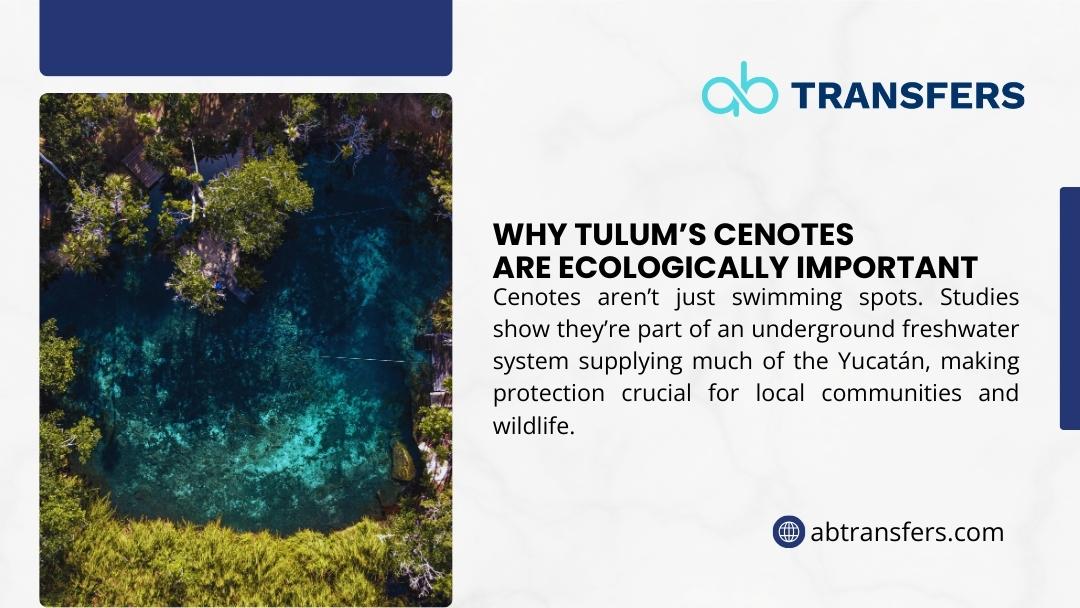
Cenotes aren’t treated like attractions by locals. They’re part of the landscape. These freshwater sinkholes formed from collapsed limestone appear all over the Yucatán Peninsula, and several sit just outside Tulum.
Gran Cenote is popular for a reason. It’s easy to access, well-maintained, and calm enough for people who’ve never swum in a cenote before. That popularity also means crowds, especially late morning.
Smaller or slightly farther cenotes tend to feel quieter. Travelers who venture a bit off the main road often mention feeling less rushed and more comfortable taking their time.
Instead of trying to see several in one day, it usually works better to choose based on distance and crowd levels.
Cenotes Near Tulum
| Cenote | Distance | Water | Best For | Crowd Level |
| Gran Cenote | 10 min | Freshwater | First-time visitors | High |
| Cenote Calavera | 12 min | Freshwater | Confident swimmers | Medium |
| Cenote Zacil-Ha | 15 min | Freshwater | Families | Medium |
| Cenote Carwash | 20 min | Freshwater | Snorkeling | Low to Medium |
Visitors who arrive before 10:00 a.m. often mention clearer water and fewer swimmers, especially at cenotes close to town.
Cenotes stay cool year-round. Bring cash, arrive early if possible, and don’t rush. These places feel better when you stay longer than planned.
Beaches in Tulum, Mexico That Still Feel Natural
Not all beaches in Tulum feel the same. Some are busy and social, others are quiet and open. Knowing where to go matters, but timing often matters more.
Seaweed levels in Tulum are unpredictable. They’re influenced more by wind direction and ocean currents than by the season itself, which means beach conditions can look very different from one day to the next.
Beaches Around Tulum
| Beach | Location | Why People Go | Best Time |
| Playa Paraíso | Near the Tulum ruins | Wide and open shoreline, soft sand, calm water | Early morning |
| Playa Ruinas | Below the ruins | Coastal views, fewer buildings, a unique blend of history and nature, and great photo opportunities. | Before 9 a.m. |
| South Hotel Zone | Southern stretch | Quieter atmosphere | Mid-morning |
| Soliman Bay | North of town | Calm water, good for swimming and snorkeling | Late morning |
For swimming, early mornings are usually the most comfortable. The water tends to be calmer, crowds are lighter, and conditions are often at their best before midday winds pick up.
Tulum Town (Downtown / Centro) Life
Tulum town feels different from the beach zone. It’s louder during the day, calmer at night, and more practical overall. This is where grocery stores, bakeries, casual restaurants, and local services are found.
Many travelers who stay longer than a few days end up spending more time here than expected. Prices are lower, meals are simpler, and evenings feel more relaxed.
Locals and visitors often use Tulum Town, Downtown, and Centro interchangeably. They all refer to the same inland area, sometimes called Tulum Pueblo, rather than separate neighborhoods.
At night, Tulum town feels social without becoming loud. Street food carts come out, casual bars fill up, and dinners often stretch late, without turning into full nightlife scenes.
Day Trips From Tulum That Actually Make Sense
Tulum works as a base, but not every nearby destination fits comfortably into a day. Travel time and heat play a role.
| Destination | Time | Why Go | Best Start |
| Chichén Itzá | 2.5 hrs | Major archaeological site and UNESCO World Heritage Site | Early |
| Cobá | 1 hr | Jungle setting | Mid-morning |
| Playa del Carmen | 1 hr | Shopping, dining, and beach access | Afternoon |
| Valladolid | 1.5 hrs | Colonial town | Morning |
Longer trips like Chichén Itzá work best with early departures. Travelers who leave after sunrise often mention heavier crowds and more heat by midday. Cobá often feels more relaxed than larger sites. Paths are shaded, and the pace is slower. For travelers who prefer flexibility, working with local transportation services can help avoid tight schedules and unnecessary stops.
Things to Eat in Tulum That Reflect the Local Flavor
Food in Tulum isn’t just about trends. Outside the hotel zone, meals are straightforward and rooted in regional cooking. Corn, citrus, slow-cooked meats, and seafood appear often.
| Dish | Where | Why Try It |
| Cochinita pibil | Local markets | Regional classic, pork slow-roasted with achiote |
| Tacos al pastor | Street stands | Marinated pork cooked on a vertical spit is fresh and popular |
| Sopa de lima | Local kitchens | Yucatán staple with a bright citrus broth |
| Ceviche | Coastal spots | Simple flavors and fresh seafood cured in citrus |
| Marquesitas | Night carts | Popular rolled crepe dessert with cheese |
Meals in Tulum often feel best when eaten earlier in the evening. Many travelers prefer lighter dinners, especially after hot afternoons.

What to Do in Tulum With Kids or as a Couple
Tulum can work for families and couples, but timing matters.
With Kids
| Activity | Why | Ages |
| Shallow cenotes | Calm, clear water | 5+ |
| Morning beaches (before 10 a.m.) | Cooler temps | All |
| Short walks | Easy pace | 6+ |
Activities with predictable timing and short travel distances tend to work best for families, particularly during warmer months.
For Couples
| Experience | Why | When |
| Cenotes | Quiet | Midday |
| Sunrise walks | Peaceful | Early |
| Private trips | Flexible | Full day |
Couples often enjoy slowing the day down rather than stacking activities, especially with cenotes and early beach walks.
Getting Around Tulum Without Stress
Tulum is spread out. Transportation choices affect daily comfort.
| Option | Cost | Best For | Notes |
| Taxi | Medium–High | Short trips | No meters |
| Rental car | Medium | Flexibility | Parking limits |
| Bike | Low | Town | Heat |
| Private transfer | Higher | Comfort | Plan ahead |
Since taxis don’t use meters in Tulum, confirming the fare before getting in helps avoid surprises.
Where to Stay in Tulum and Why It Matters
Where you stay affects how much time you spend commuting.
| Area | Advantage | Consideration | Best For |
| Hotel Zone | Direct beach access, beach clubs, and iconic Tulum vibes | Traffic, higher prices, and crowds | Honeymooners and luxury travelers |
| Tulum Town | Authentic local life, affordability, and central transport | Requires transport to access the beach | Families and budget travelers |
| Aldea Zama | Established hub with modern condos, walkable areas, and reliable internet | Limited nightlife and no direct beach access | Couples and digital nomads |
| La Veleta | Spacious rentals, quieter streets, and a strong long-term community | Still developing | Long-term visitors and expats |
Is Tulum Worth Visiting in 2026?
Tulum continues to change. Construction is still ongoing in parts of Tulum, especially outside the hotel zone, so checking recent reviews can help avoid noise or access issues. Tourism brings challenges, but infrastructure has improved. According to Mexico’s National Institute of Statistics (INEGI), tourism remains central to the region’s economy.
For travelers who value nature, history, and slower mornings, Tulum still delivers. Expectations and planning matter more than hype.

Practical Tulum Travel Tips
Three to four days is usually enough for a first visit. November often feels balanced in terms of weather and crowds. Cash is still useful in cenotes and smaller restaurants. Early mornings consistently feel better across most activities.
Tulum tends to reward people who move with intention rather than urgency. The best things to do in Tulum aren’t about doing more, but about choosing better moments. For transportation or custom routes, working with local teams like AB Transfers can simplify logistics and leave more room to enjoy the place.
